Hobo Spider
The hobo spider is from the family Agelenidae. Hobo spiders are generally found in the northwest of the United States, western Canada, and throughout Europe. It is sometimes called the aggressive house spider, but that name is misleading. It comes from the species name agrestis, which means “of the fields,” and hobo spiders are no more aggressive than other house spiders.
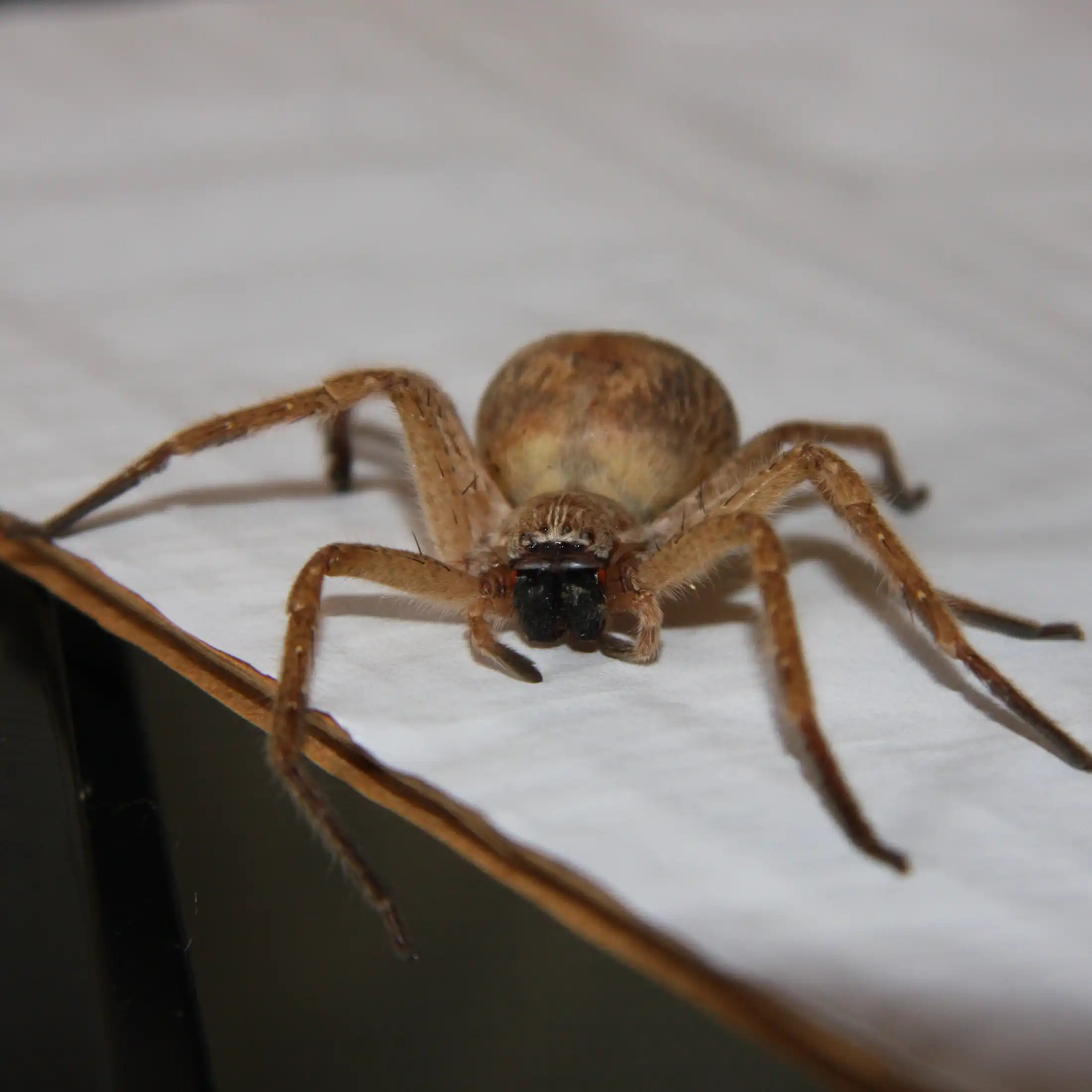
Hobo spiders are moderately large spiders. The male hobo spider is about twelve to eighteen millimeters, and the female is around the same size as the male. The only difference in size is that they have a larger abdomen. This spider usually prefers dry and warm climates and sometimes lives within houses, except in Europe, where they are found primarily outside.
Hobo Spiders Markings
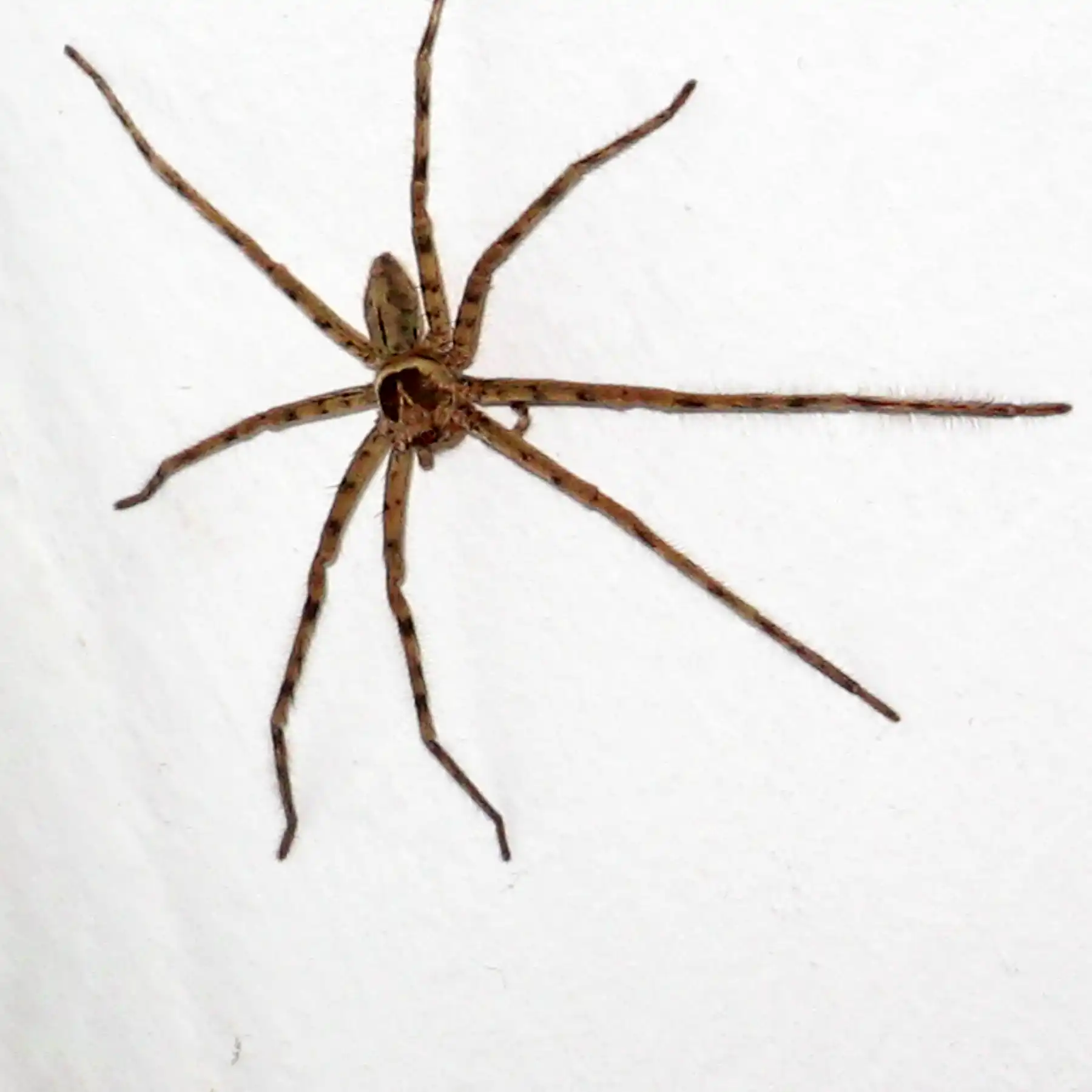 Hobo spiders are brown in color, have no distinct rings on their legs, and are covered in short hairs. Their abdomens usually have several chevron shaped markings. Usually, these markings are common among other spiders, and some hobo spiders may not have them.
Appearance wise, males are notably different from females in that they have two large palps. The females also have these palps but look different, as they are not swollen like the males. The palps, which are the male genitalia, are often mistaken for fangs or venom sacs.
Where Hobo Spiders Live
Hobo spiders live in the Pacific Northwest, Washington, Oregon, Idaho, and into western Canada, plus their original range in Europe. They stay low: fields, rock piles, wood piles, basements, and window wells. You will usually spot one running across a floor in late summer or early fall, when males leave their webs to wander in search of females.
The hobo spider is a funnel-weaving spider, which means the web that it produces is not sticky, but rather it is meant to be a trip web. The hobo spider will trap insects that cannot maneuver the funnel surface.
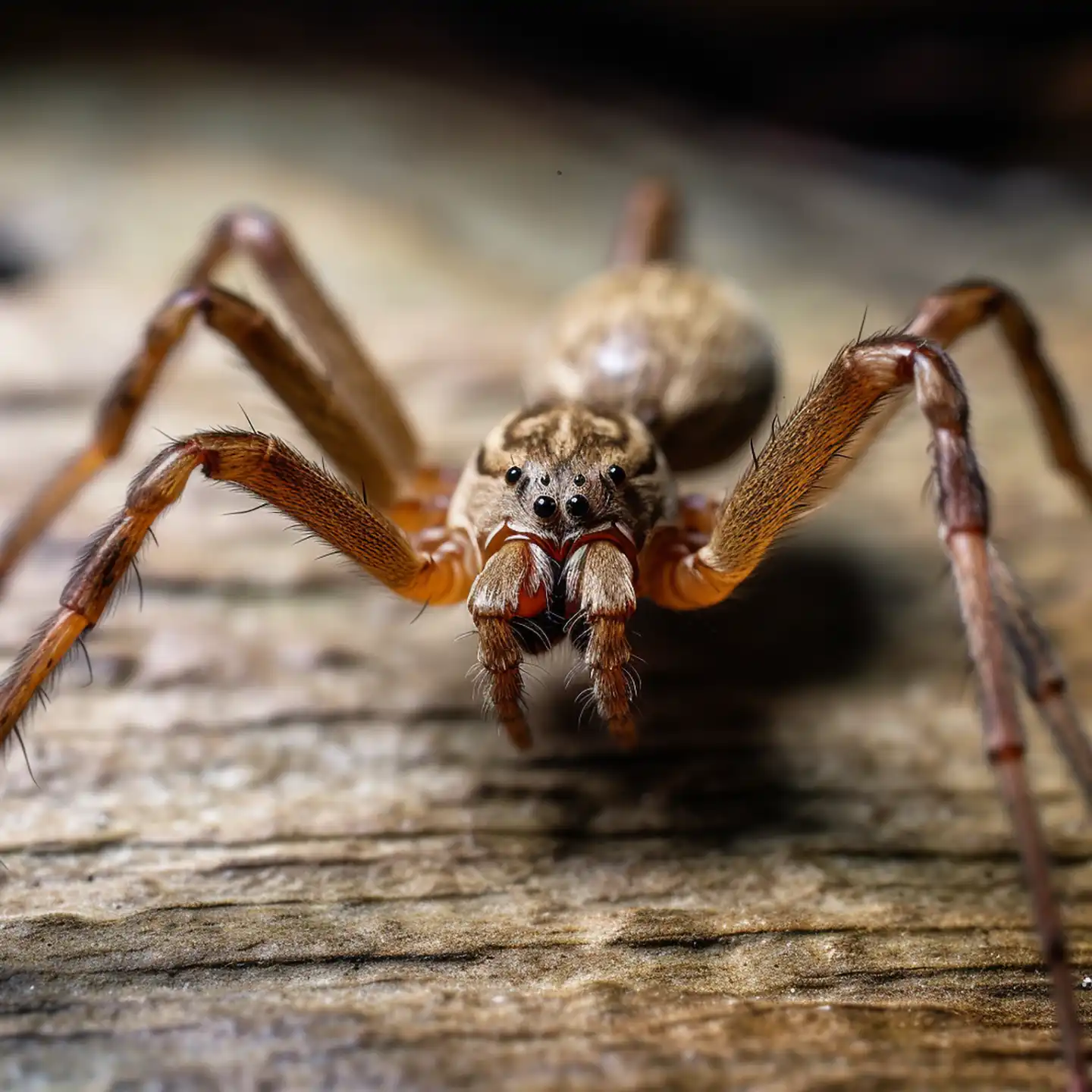 The hobo spider hides in the back of the funnel, waiting for something to get caught in the web. Hobo spiders are sometimes known to build their webs in or around human habitats.
The hobo spider is not naturally aggressive and will generally avoid humans. A female guarding her egg sacs may stand her ground, but a bite still takes real provocation, like being trapped against skin.
A hobo spider usually bites only when it gets trapped against skin, in clothing or bed sheets. The bite itself is often not felt at all, or feels like a small pinprick.
Hobo Spider Bite
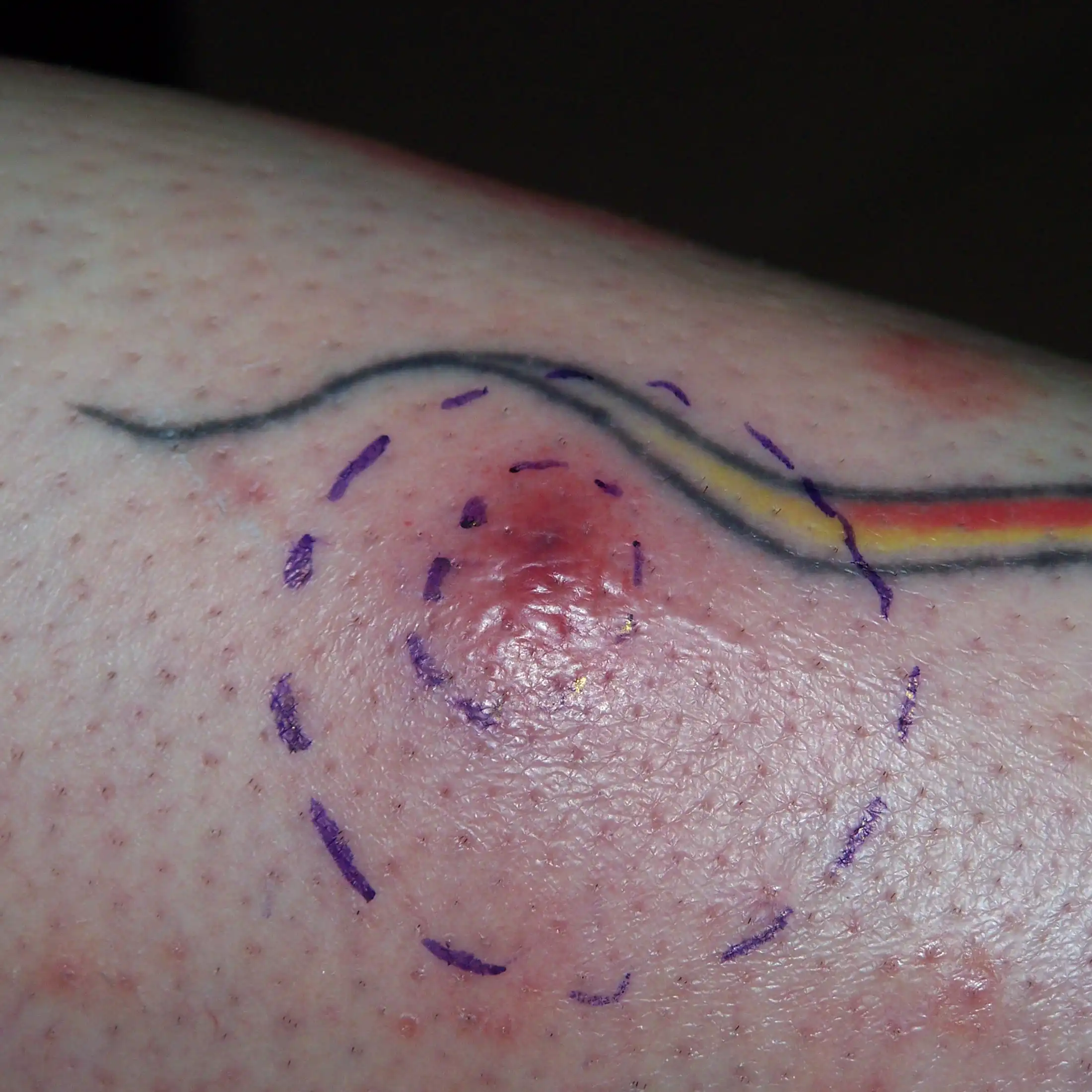 For years the hobo spider was blamed for slow-healing, tissue-destroying wounds like those from a brown recluse bite. The science no longer backs that up. Researchers who reviewed the reported cases found no solid proof that hobo venom kills tissue, and the CDC removed the hobo spider from its list of medically significant spiders. In studies of confirmed hobo bites, the typical result was redness, mild pain, and itching that cleared up on its own.
So where did the bad reputation come from? Mostly from wounds that were never confirmed as hobo bites. Skin infections like staph and MRSA produce exactly the kind of open, cratered sore that used to get blamed on spiders, and a wound like that needs a doctor no matter what caused it.
If you develop a blister or an expanding sore after a suspected bite, or a headache, nausea, or fever that will not quit, get medical attention and bring the spider or a photo of it if you safely can. Identification matters, because the spider that actually causes necrotic wounds, the brown recluse, barely overlaps the hobo spider’s range at all.
For information about myths of the hobo spider, check out Myths about the Hobo Spider by Rod Crawford at the University of Washington