Shingles and What it Looks Like
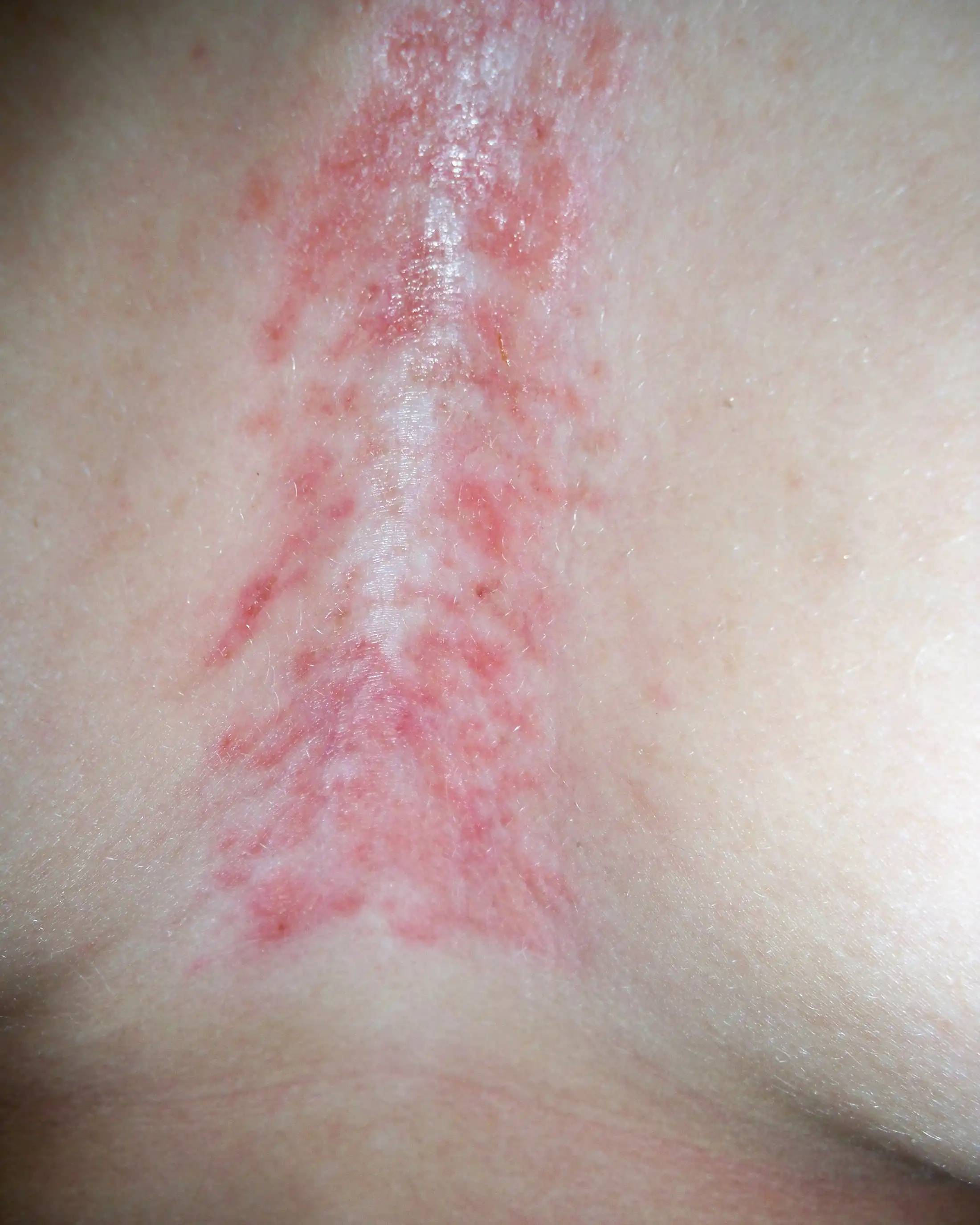 A shingles rash can mimic spider bites, including bed bugs. This rash usually appears on one side of the face or body and lasts 2 to 4 weeks. Its main symptom is pain, which can be pretty severe. Other symptoms of shingles can include fever, headache, chills, and upset stomach. Very rarely, a shingles infection can lead to pneumonia, hearing problems, blindness, brain inflammation (encephalitis) or death. What is shingles? Many people with shingles report severe pain that can last even after the rash clears up, a complication often called post-herpetic neuralgia. The Varicella Zoster virus causes shingles, the same virus that causes chickenpox. Only someone who has had chickenpox or gotten the vaccine can get shingles. The virus stays in your body. It can reappear many years later to cause a case of shingles. You can’t catch shingles from other people that have shingles. However, in rare cases, an individual who has never had chickenpox or the vaccine may contract it from someone who has shingles. At least 1 million people a year in the United States get shingles. Shingles are far more common in people 50 and older than younger people. It is also more common in people with weakened immune systems because of a disease such as cancer or drugs such as steroids or chemotherapy.
What Causes Shingles
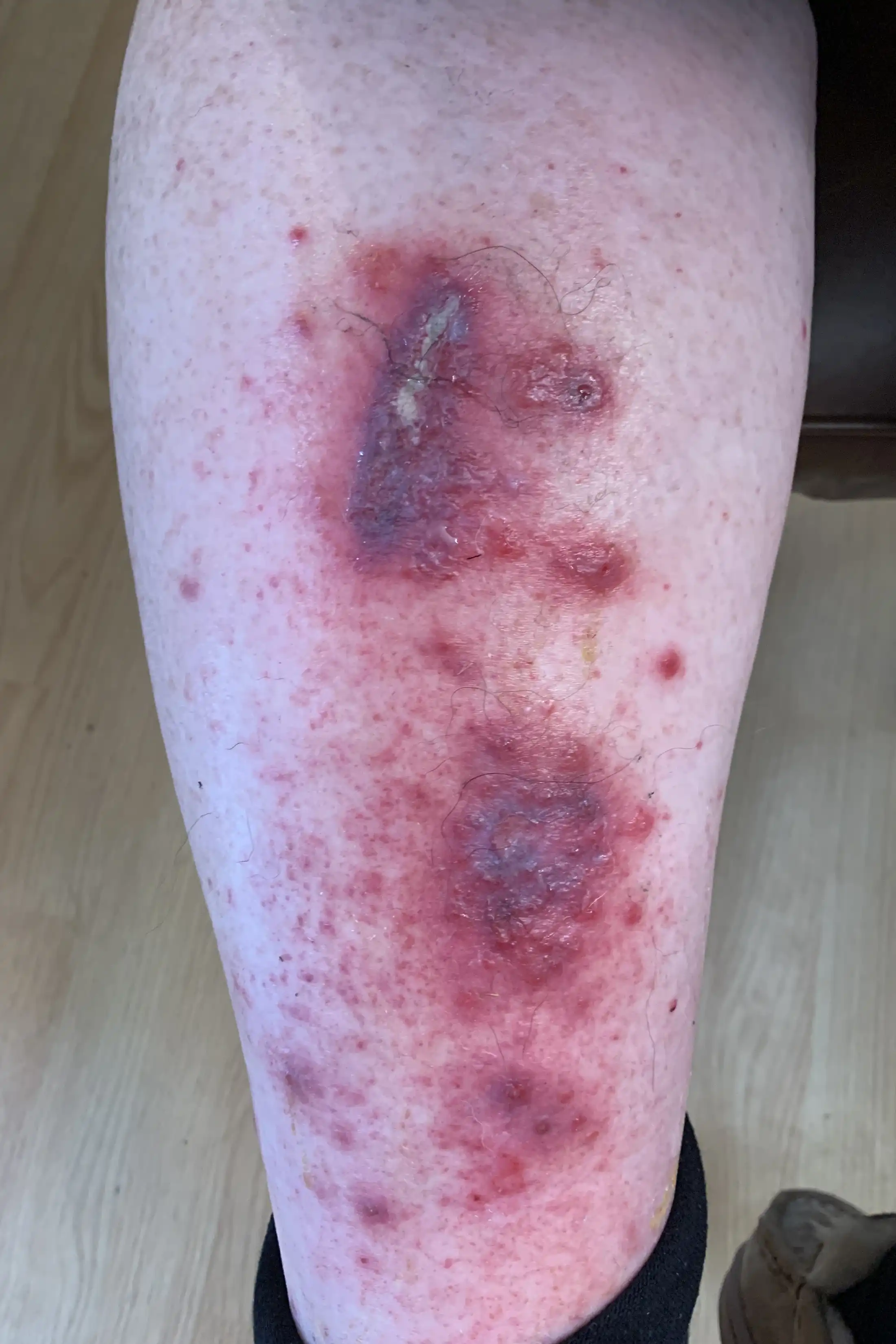 No one is sure exactly what makes the sleeping zoster virus active and multiply, but illness, trauma, and stress are known to trigger shingles. People that have conditions such as AIDS, HIV, Radiation Therapy, Surgery, and Chemotherapy are known to have weak immune systems, something that this virus likes. The current shingles vaccine (Shingrix) is recommended for adults 50 and older. It is given as two doses and prevents shingles in more than 90 percent of people. It also lowers the odds of the lingering nerve pain that can follow shingles. Your doctor can tell you whether it is right for you.
Identify Shingles
Shingles is diagnosed by a doctor, and antiviral drugs work best when started early, so see one quickly if you suspect it. If your rash looks more like an infected bite, compare it with the photos on our staph infection page.
Reader Shingles Stories
Shingles earns its place on a spider bite site because so many people mistake it for a bite at first. These condensed reader accounts show how it actually announces itself.
Tara: the “spider bite” that became a band
Tara itched and hurt from what she took for a spider bite on her back and let it ride for a month, until new bumps ran in a band from her shoulder blade around to her side. Her doctor needed one look: shingles. She was carrying a heavy load of family caregiving and health problems, and stress had opened the door. Her advice is the reason this page exists: if in doubt, let the doctor check it out.
Christopher: an itchy scalp and a close call
Christopher blamed his itchy scalp on shampoo, then on poison ivy from the dogs, while a cluster of bumps spread within an inch of his eye. Five days in, reading about shingles reaching the eye scared him into a Saturday appointment. The doctor confirmed shingles and started antivirals that day, and the itching began easing within 36 hours. Shingles near the eye can threaten sight, and his fright was the useful kind: it got him treated.
Reggie: shingles with no rash at all
Reggie’s case started as chills, tremors, and stabbing head pain with no rash anywhere. It took an ER visit and three specialists before a blood test found the virus in his inner ear, by which point half his face was temporarily paralyzed. He was slowly recovering when he wrote in. His case is the rare kind, but worth knowing: no rash does not always mean no shingles.
Rissi: a junior-year case, gone in three weeks
Rissi got her “can-can line from hell,” her words, under the bra line during a stressful school year. Her doctor’s prescription was mostly rest and stress relief. She reorganized school, ate ice cream, and the line of blisters cleared in three weeks without a scar. Her two takeaways hold up: the line follows a nerve, which is why it hurts the way it does, and yes, you can get shingles more than once.